What a Smartphone Review Should Actually Compare
Two phones can list similar camera and battery specifications and still suit very different people. The useful comparison is not just what each model includes, but how those features fit your habits: taking photos indoors, commuting with a low battery, or keeping a phone for several years. A good review should make those trade-offs visible.
Start with your daily pattern
Think about when you reach for your phone most. If you often take pictures of moving kids or pets, autofocus and motion handling matter more than a large megapixel figure on its own; if you mostly photograph daylight landscapes, other camera differences may be less important. For battery life, look for consistent review conditions and note whether results reflect streaming, navigation, or lighter use.
Look beyond the headline specs
Screen size is only one part of comfort: brightness, reflection, and how easily you can use the phone one-handed also count. Software support matters if you plan to keep a device, while storage can become a practical constraint if you save lots of video or offline files. A review should explain these details in context rather than treating a longer spec sheet as an automatic advantage.
Match the trade-offs to you
Before comparing models, write down your two or three priorities and one compromise you can live with. That could mean choosing a lighter phone over a larger screen, or more storage over a camera feature you rarely use. Some links in our reviews may be affiliate links, which means we may earn a commission if you buy through them; that does not change the need to weigh each phone against your own priorities. Our newsletter is a useful place to follow new comparisons as they’re published.

- LAUNCH BUNDLE: Get an Amazon Gift Card when you buy Galaxy S26 FE. Select Gift Card bundle variation for redemption. Ava…
- PERFECTLY IN FRAME: Filming your little one at the park or your favorite idol in the parking lot? With My FanCam,¹ your …
- SMOOTH VIDEOS WITHOUT A GIMBAL: Capture fast-paced action on the go using Super Steady Video with Horizontal Lock that k…
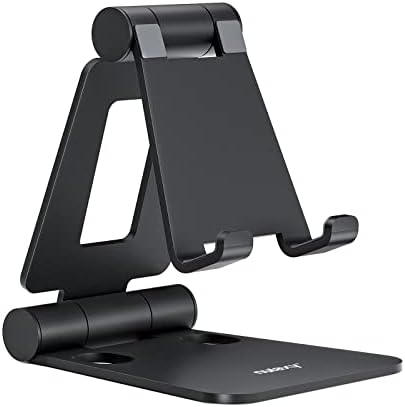
- Universal Compatbility: This phone stand works with all 4-8″ Smartphones and e-readers, such as iPhone 18 17 16 15 14 13…
- Adjustable & Portable: The phone cradle is fully collapsible, it can be easily adjusted to ideal position, which is a go…
- Sturdy & Protective: The cell phone stand is made of high quality premium aluminum, it stays firmly in place, hold your …
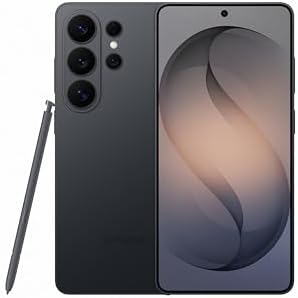
- PRIVACY DISPLAY: Automatically hide your screen from those beside you. The built-in privacy display can be preset¹ to tu…
- TYPE IT IN. TRANSFORM IT FAST: Enhance any shot in seconds on your smartphone by using Photo Assist² with Galaxy AI.³ Ad…
- NIGHTS, CAPTURED CLEARLY: From gigs to city lights, record and capture moments after dark with clarity using Nightograph…